


Menghai Raw PuErh aged for 30 years to transform into a rich and deep brew reminiscent of ripened tea. Caverns, leather, Chinese herbs and preserved fruits blend with creams and hints of sweet florals.
Always on the lookout for delicious oddities in the tea world, I chanced upon this tea during my blind sampling.
At first, I thought it was a ripe PuErh tea with its dark colour and nutty, cavernous, leather-bound-books taste.
But it had something very unique about it - a bright, slightly metallic freshness reminiscent of Yan Cha and some preserved fruits and florals.
It was disarming in the best possible way, and I knew that we had to add it to our collection.
When I found out more about the tea, I was taken by surprise.
The origins of this tea have been clouded a little by the mists of time but here is what we do and don't know about 90's Enigma.
- The tea was picked in the 1990's probaby over a few years from Da Ye Zhong tea trees around Menghai. We don't know the exact location or the age of the trees.
- The leaves were processed as a Sheng Raw PuErh. This is not Ripe Shu PuErh.
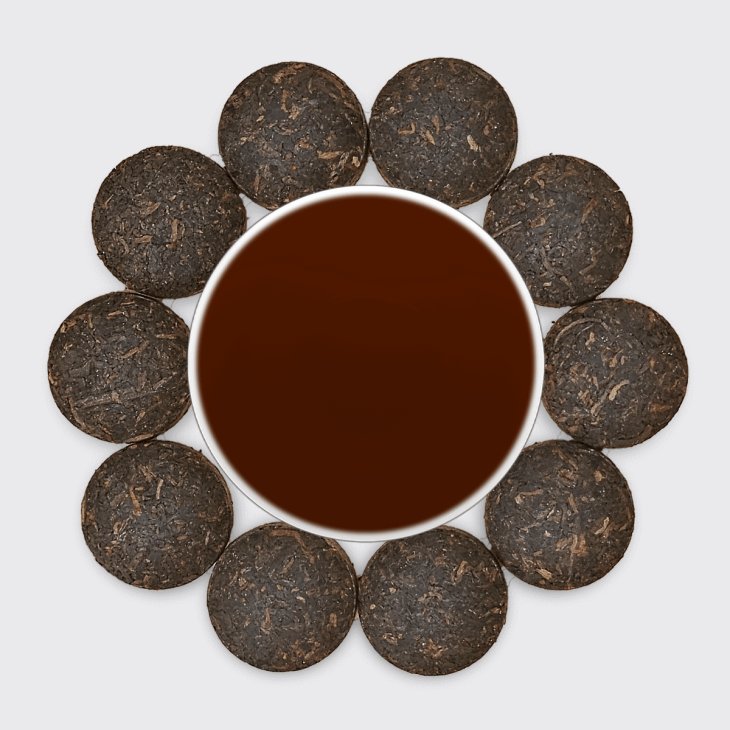
- The tea batches were blended and pressed into 7g Tuo tea in 2003 and has been stored in Menghai until 2026.
So this is a mixed batch 1990's blend of Menghai raw PuErh aged loose for several years and then broken, blended, steamed and pressed and aged for another 23 years.
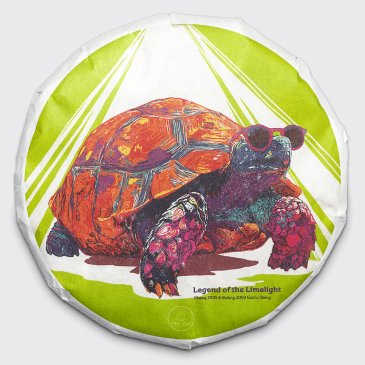
The experience of this tea is remarkable and showcases the effects of 30 years of ageing of raw PuErh very differently to an aged cake like Midnight Oracle or Legend of the Limelight.
Because the leaves were broken and steamed (in order to press into the small Tuo shape), they have clearly fermented at a much faster rate than your average aged Sheng. This has given the tea a distinct ripened Heicha quality.
Think of Liu Bao with dancing herbal notes and betel nuts. Add in the wet caverns, antique woods, leather-bound books and creamy, buttery qualities of a really excellent ripe PuErh.
90's Enigma Sheng satisfies all of those ripe tea cravings but then it switches up on you and the Sheng character emerges.
It is first noticeable in the lighter texture which adds a mineral, metallic liveliness to the finish. It is almost reminiscent of a rock Oolong or a Banzhang PuErh - sweeping away the taste before the sweetness emerges.
And it is the aftertaste which reveals that this is an old Sheng with lots of wrinkled fruits - aged tangerine peel, preserved bayberries and dried cherries.
This is all followed up by creme de Violette (violet liqueur) florals and a creeping lilyturf root carby sweetness.
If that doesn't make sense to you then imagine sweet flowers, herbal liqueur and celeriac starchiness. Sounds weird but it is delicious.
As you brew into the infusions they just become sweeter with a light minerality just like all good aged Shengs.
I would recommend experimenting with the brews and try some flash infusions to express more of the raw tea character then switch to longer brews to showcase its fermented quality.
An incredible tea which straddles ripe and raw making it the perfect brew no matter what you are craving.
They don't make teas like this anymore.
PLEASE NOTE: These were pressed as 7g in 2003 but with age have naturally reduced weight to between 6-7g