



A remarkable, low-oxidation black tea from Shiga, merging the caramel warmth of a Chinese Black with a lush florality. Smooth , supple and easy drinking.
I tend to be critical of Japanese Black tea (Wakoucha) because most of the tea being produced just tastes a little confused, unfinished and an attempt to force black tea production in an industry set up for Green tea mastery.
Wakoucha began 150 years ago, mostly in an attempt to compete with Indian, Sri Lankan and Chinese Blacks.
It is this initial intention which has led to the industry not really developing a distinctive individual style. Are the producers trying to imitate the brighter, crispier character of a Sri Lankan Black or the warm richness of an Assam or the fruity aromatics of a Chinese tea?
Occasionally, a Wakoucha arrives, which shines. This is often achieved through the use of the Benifuuki cultivar, which creates a fruity florality reminiscent of Darjeeling. But they are still strong, punchy and a little unsophisticated in character.
My most consistent comment is that the tea is under-oxidised, lacking smoothness, richness and development in the depths. They are often cut-leaf and are too astringent when you try to push them wuth stronger brews.
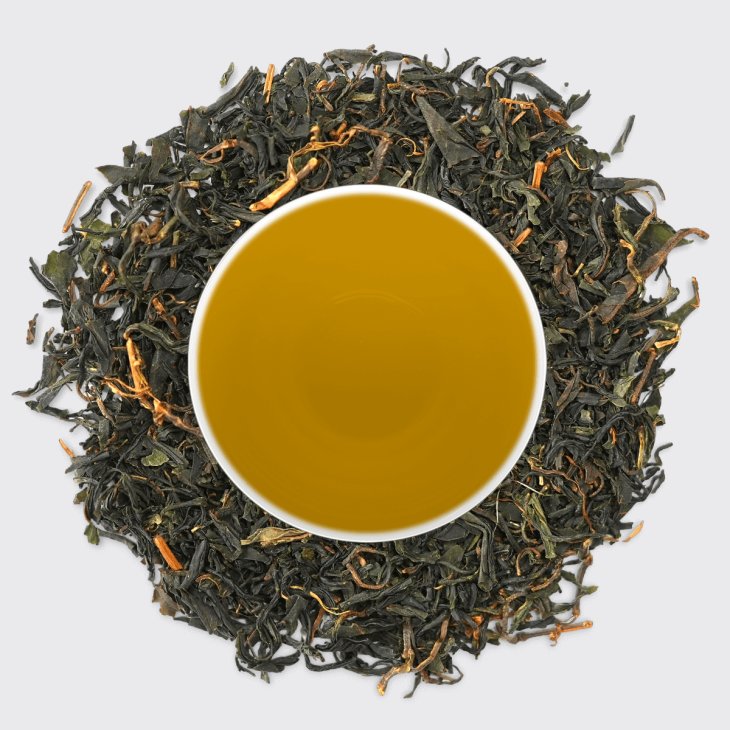
When this Midori Black entered the Wakoucha taste-off I was not expecting much - it looked ridiculously under-oxidised, albeit the leaves were a bit less chopped up compared with most Wakoucha,
I was in for a big surprise. This tea was a standout revelation of the 2025 tasting season.
When it first hits your nose, Midori Black smells like a fine Qimen Hao Ya (one of the most famed Black teas in China). There is that specific combination of caramel warmth , poppy seed earthiness, pecan nuttiness and a touch of this wild wood glue moving to yoghurt tang.
What? How is a Japanese Wakoucha able to create that elusive Anhui tea smell?!
But then the Midori Black adds a green lush and heavy florality to the mix, like stepping into a florist or biting a fresh green fig.
Rinse the leaves, and they have even more to offer,
Rose, lilac and violets all leap into the nose to join the party.
'OK' I thought, but what happens when I brew into these leaves? Surely the low-oxidation will make a sour or astringent tea?
Nope. Actually, the opposite!
Midori Black has a soft, supple and almost oily texture and a smooth finish with the barest hint of astringency.
The taste is warm and comforting with poppy-seed dessert and maple syrup. It is flowery and light with parma-violets, lilac and figs. And it also manages to add some fresh Fuji apple sweetness to the experience.
How could a Wakoucha deliver this kind of character? I was baffled, and then I looked at the brewed leaves.
'They are so Green!'. I was so confused and kept on brewing to try to find the astringent or sour hit in later rounds but they never came at all. I just ended up having the most delightful, smooth sipping Black tea session.
So what is going on here? To be honest, I do not know but here are some guesses.
The Okumidori cultivar definitely has a part to play in this tea's florality.
The Shiga prefecture also adds its characteristic 'rounder' profile, which I generally love about teas from this part of Japan.
Midori Black is grown organically without fertilizers (so commonly found in Japanese teas). The producer is not trying to supercharge the intensity of the tea, making for a more refined and elegant taste.
But the 'greenness' of this Black tea is the true mystery - somehow adding the lush vegetals and steamy greenhouse flowers to the caramel syrup liquor.
Midori Black represents a Japanese Wakoucha that is embracing Japan's Green tea heritage and creating its own style of Black tea. It borrows from fine Chinese Blacks rather than the sub-continent and adds its own unique character.
Let this be the future of Wakoucha!