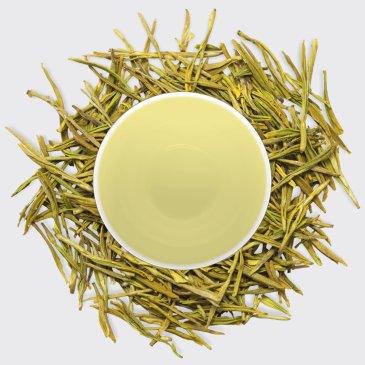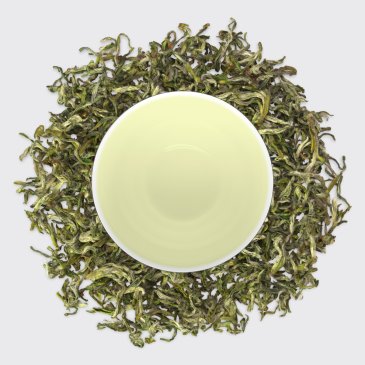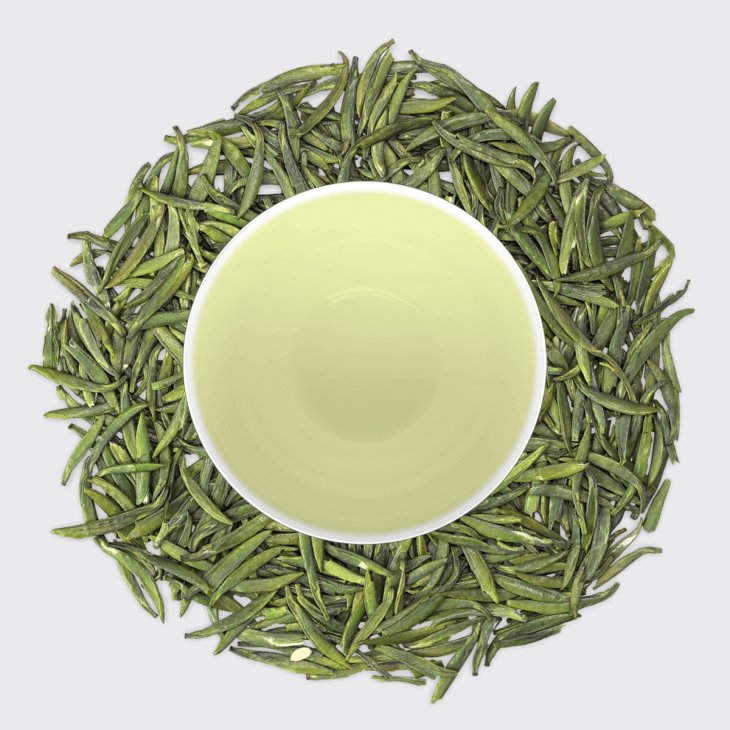



Half-handmade, rounded, warm and fruity batch of Bamboo Sabre made from the Qun Ti Zhong (Lao Chuan Cha) heirloom cultivar. A world away from the raw and bitter Zhu Ye Qing, which is often found out there.
This is a beautiful batch of Bamboo Sabre, which showcases the immensity of the heirloom Laochuan Qun Ti Zhong cultivar and the importance of pan-frying. It is warm with soya milk and egg custards, nutty with almonds and fruity with raspberry candy.
These are the highest grade Zhu Ye Qing made from early pluckings of 50+ year-old heirloom cultivar tea bushes and was the top Zhu Ye Qing
The buds have been withered for hours to develop aromatics and then fired using the standard fixing drums used around Asia but crucially, the tea has then been finished by hand over hot pans to remove the raw and astringent notes found in 90% of the Zhu Ye Qing available.
Texture is thick and brothy with very low astringency.
The aromatics are rounded, warm, sweet and milky with some bright apple skin, dragon fruit and a little lovage pepperiness. There are notes of pistachio and sweet peas and edamame as well as delightful fruit candy finale if brewed deeply.
Learn more about Zhu Ye Qing:
THE BACKGROUND TO QUN TI ZHONG BAMBOO SABRE
We have been tasting Zhu Ye Qing Green for nearly 25 years, but I often find it too green and astringent - it mostly reminds me of raw leaf rather than a crafted tea, despite its huge popularity and high prices. To be honest, I had almost given up on this famous Sichuan Green and figured it was just not to my taste.
I visited China to dive as deep as I could into this tea and learned that, indeed, more than 90 percent of the tea is made to have a very green appearance and fresh, grassy taste. But this is totally different tea to the traditional Emei bud tea which is pan-fired with warm, rounded and nutty notes.
The problem is that less than 1% of the tea produced is pan-fired and the prices are beyond astronomical. So this half-handmade Lao Chuan Cha tea is the answer - controlling the price point and producing a properly finished Zhu Ye Qing with the brothy, rounded and sugared notes with none of that rawness of most Zhu Ye Qing.
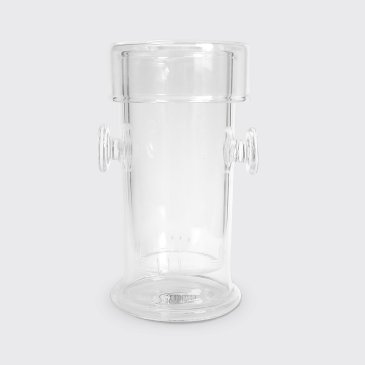
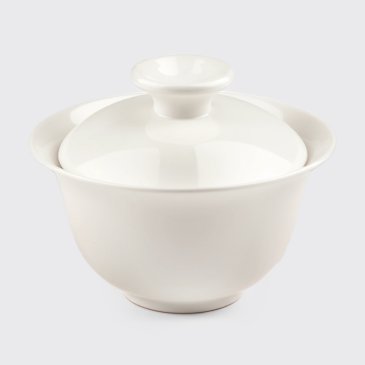
You can certainly brew this 'Grandpa Style' in a tall glass with 80-85c (175-185F) water and just keep topping up as the water goes low and the tea becomes stronger. I personally prefer brewing in a half Gong Fu style (using a fair amount of leaf for about a minute infusion) for at least the first 3 infusions and then I would move to 'Grandpa Style' or cold-brewing to get the most of these gorgeous buds.