



Welcome to our 2025 Ceremonial Matcha - selected after tasting dozens of top-grade Matcha samples from Uji. Our Saemidori Matcha is luxuriously creamy with playful accents of bright fruits and flowers.
The worldwide shortage of Matcha has led to big changes in Japan with the Japanese government agencies pushing to increase production.
Despite these efforts, the yield of Matcha in 2025 is likely less than previous years (primarily due to climate and weather) so it has been a battle to secure the pinnacle grade tea without paying absurd prices.
But, with our 20 year history of sourcing Matcha and strong relationships with producers, we have been privileged to select from some gorgeous Matcha and negotiate reasonable price increases.
While everyone in tea is delighted by the incredible surge in popularity of Matcha is does come with downsides which can affect quality.
In the drive to increase yields, the producers are motivated to:
- use younger, faster-growing tea bushes
- simply and cheaply shade the plants using direct blanket shading vs constructed shading shelves like Kanreisha or Honzu
- focus on cultivars high yield with good cup colour
- increase mechanization in cultivation and processing
All of this leads to producing a higher quantity of Matcha to meet demand with attention focussed much more on colour (it has to be Influencer friendly) and less on character or taste.
This Saemidori Matcha comes from producers resisting these changes and came out way on top in all of our blind Matcha tastings.
It is made from tea leaves from 40-year-old Saemidori bushes which are Kanreisha shade grown for about 25 days before picking.
What does this all mean?
- 40 year old bushes will have much more character in the cup than younger plants (at the expense of yield)
- the Saemidori cultivar has incredible depth and creaminess but is less vivid green in colour compared with other more popular cultivars
- shading under Kanreisha instead of direct blankets allows the tea to breathe to improve taste and complexity but will produce a less deep green colour
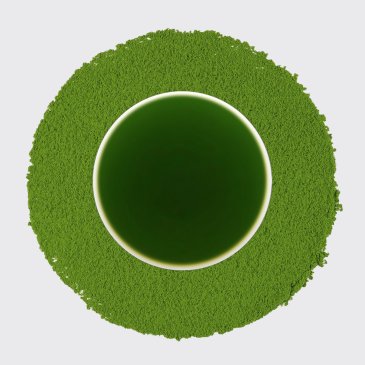
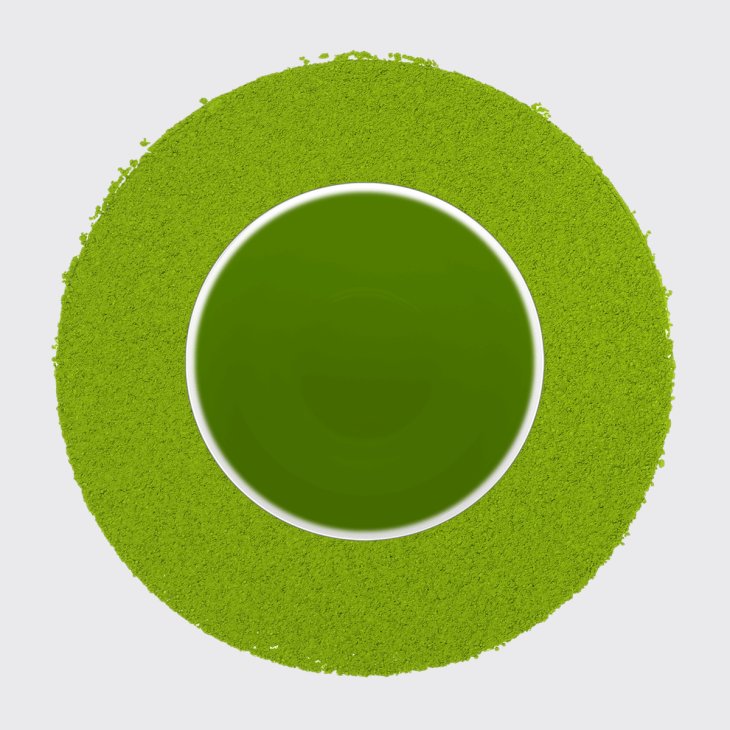
The result is a Matcha which looks a bit lighter in colour than all of the 'pop' greens on a TikTok feed but is so much better in quality.
Sipping this Matcha is a creamy dream. Luxurious malted chocolates, nut butters and hints of coconut fill the mouth and nose, all seasoned by a rounded umami.
After swallowing the bright notes come out with accents of green melon, starfruits and lotus flowers.
There is the barest and most delightful soft bitterness which shifts to a cooling, strawberry juiciness.
This is a supremely balanced Matcha with comfort and depth.
I do not know how Matcha will evolve in the future. Demand is increasing and the shortage will inevitably force changes in Japan's production. But, while we can, lets celebrate these proper, old-skool Matchas and savour every sip.
Matcha is super finely ground (under 10 microns) green tea. It is made so fine using a stone grinder to prevent the addition of heat from machine grinding which reduces the nutrient content. The small particle size means that the tea leaf suspends in water and produces a smooth textured tea. This style of brewing tea is actually very ancient and the method used a few thousand years ago before tea production expanded to allow for brewing whole leaves.
The health advantage of drinking matcha is that you are actually consuming the whole leaf which means that the full therapeutic effects of tea are given to your body. Studies have shown that matcha provides between 3 to 137 times the amount of antioxidants (in the form of high potency catechins) compared with brewed green tea. These figures vary so widely depending on the tea and matcha chosen for the studies. It shows how much difference there is between high quality and poor quality tea. The 137 times figure comes from a study against Starbucks green tea.
We think it is a conservative estimate that one shot of matcha gives the same amount of antioxidants as drinking 10-20 cups of high-quality Green tea. Antioxidants may be fundamental to good health by soaking up the free radicals in your body which lead to ageing and ill health.
During the growing of the tea leaves the plants are shaded from the sun for at least 20 days. This causes the leaf to increase chlorophyll production which gives you bright green colour and associated health benefits. The Tencha is then stored for months in a cool environment to age before grinding. If you miss out on this step then the matcha will be lightweight and pale instead of dark and robust.
Directions
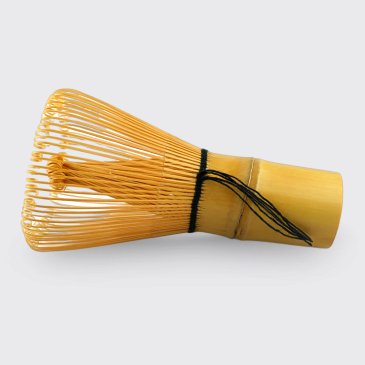
For Usucha, we recommend using a teaspoon (or 2 Chashaku scoops) which is about 2g placed in a bowl or Chawan for 60-70ml of cold or warm water (between 70 and 80 degrees). First, make a paste with a splash of warm water (between 70 and 80 degrees or 160-175F) with a Chasen whisk and then 50-60ml of warm water and whisk vigorously in a 'W' motion to make a smooth and frothy drink. Slurp and enjoy.
For Koicha (a much thicker and intense drink) you would use double the Matcha (2tsp or 4x Chashaku Scoops) with about 40ml of water and whisk slowly to make a smooth drink without froth.
We do not advise drinking before bed as it does contain caffeine.